Missionaries Apostolic tradition
Mar Mari
ܡܐܪܝ
The road into Mesopotamia
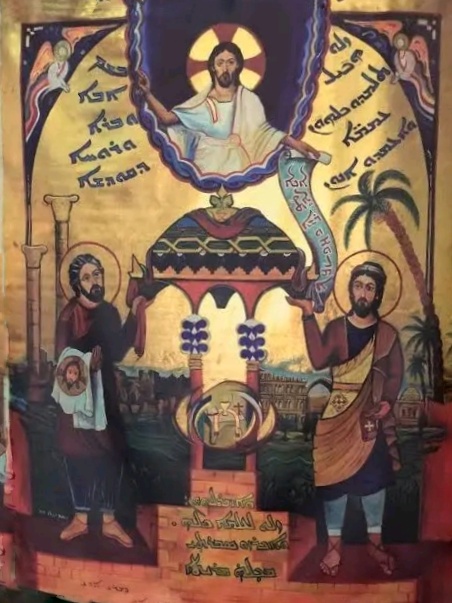
Mar Mari is remembered as a disciple who kept walking. His life represents the movement from one received word to many new communities, from Edessa toward the cities and villages of Mesopotamia. His memory asks what it means to carry a gift faithfully beyond the place where it was first received.
- Remembered in
- Mesopotamia
- Vocation
- Missionaries
- Period
- Apostolic tradition
Life & memory
The life remembered.
The Acts of Mar Mari present him as a disciple commissioned by Addai and as an apostle to Mesopotamia. In the narrative, his mission reaches the royal cities of the Parthian world and establishes Christian communities farther east.1
Like many apostolic acts, the account is hagiographical: it expresses the Church’s memory of its origins through a sacred narrative shaped over time. It is best read with both reverence for the tradition and care about the difference between remembered origin and recoverable chronology.1
Mari’s continuing importance is especially visible in worship. Together with Addai, he gives his name to one of the most ancient Eucharistic prayers still in use in the East Syriac tradition.12
A fuller life
The person, the memory, the legacy.
These chapters bring the historical record and the received tradition into a longer narrative. Where the surviving evidence is hagiographical or uncertain, the language says so directly.
The apostle who continues the road
The Acts of Mar Mari remember him as a disciple ordained by Addai and sent beyond Edessa. The narrative carries him through Mesopotamia toward the royal cities of the Parthian world, using journeys, debates, healings, and the founding of communities to explain how Christian memory crossed from one city into a much wider landscape.1
Sacred geography and remembered origins
The Acts arrange places along Mari’s route as a sacred geography. Modern readers should not treat every episode as a securely dated itinerary, but the text remains important evidence for how eastern Christians imagined the continuity between apostolic commission and the later churches of Mesopotamia.1
Communion across generations
Mari’s enduring presence is liturgical rather than merely biographical. His name beside Addai’s in the Eucharistic tradition binds missionary memory to the repeated life of worship: the apostle is remembered whenever a community gathers, gives thanks, and receives the tradition it will hand on.12
Study further
Sources & further reading.
These records provide historical orientation and bibliography. Hagiographical tradition and documented chronology are identified separately throughout this profile.